
 admin

1. Introduction to Trideltathon
Sports events bring people together through physical activity, teamwork, and community involvement. One interesting event connected with these values is Trideltathon, a charity-focused triathlon historically associated with the University of Tennessee in Knoxville. It combines swimming, cycling, and running in one sporting challenge. The event also has an important connection with Delta Delta Delta, a well-known sorority that supported its organization. Whether you are interested in its history, race structure, charitable purpose, or preparation techniques, understanding its background provides a useful starting point.
| Quick Information | Details |
|---|---|
| Event name | Trideltathon |
| Event category | Charity triathlon |
| Location | Knoxville, Tennessee, USA |
| University connection | University of Tennessee |
| Associated organization | Delta Delta Delta |
| Main activities | Swimming, cycling, running |
| Historical swim distance | 400 meters |
| Historical cycling distance | Approximately 6 miles |
| Historical running distance | Approximately 3 miles |
| Charity connection | East Tennessee Children’s Hospital |
| Participation format | Individual and relay |
| Related event | TriDeltaRUN 5K |
2. What Is Trideltathon?
Trideltathon was a short-distance pool triathlon organized around the University of trideltathon guide Tennessee community in Knoxville. It combined three athletic activities into one competitive experience. Participants started with swimming, continued with cycling, and completed the event with running. Unlike traditional triathlons that often involve lakes or open-water swimming, this competition used an indoor swimming pool. Its accessible distances made it attractive to students, beginners, experienced athletes, and people interested in supporting a charitable cause.
3. Understanding the Meaning Behind the Name
The event’s name combines two recognizable ideas: Tri Delta and triathlon. Tri Delta is the commonly used name for Delta Delta Delta, a national sorority with chapters at universities across the United States. The word triathlon describes a sporting competition involving three different athletic disciplines. Combining these terms created a distinctive identity for the Knoxville charity event. The name therefore reflects both its sporting format and its association with the university’s sorority community.
4. History and Background of the Event
The competition developed into a recognizable part of Knoxville’s university and athletic community. Historical race listings connect its organization with Delta Delta Delta and Race Day Events. Its long-running presence helped introduce students and local residents to multisport competition. Some historical listings describe the 2020 edition as the event’s 36th year, suggesting a tradition extending back several decades. However, the precise founding year should be treated cautiously unless confirmed through original historical records.
5. Connection With the University of Tennessee
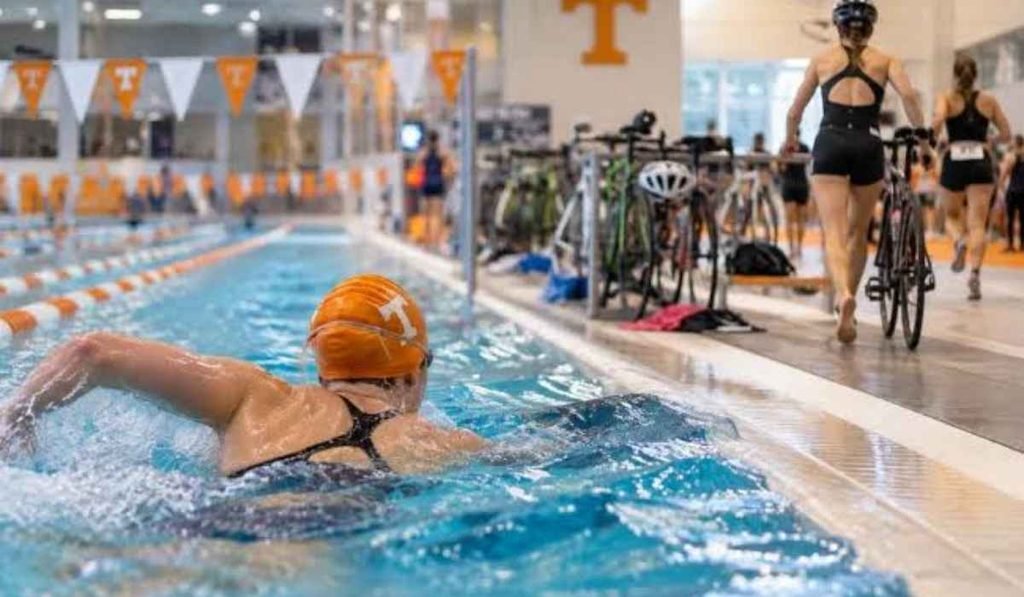
The University of Tennessee played an important role in the event’s identity. Its campus provided the setting for the swimming, cycling, and running activities. The university environment also helped create opportunities for student involvement, athletic participation, and charitable fundraising. Students could experience a community sporting event while connecting with local organizations and volunteers. The Knoxville location made the competition particularly meaningful for people associated with the university and the surrounding East Tennessee region.
6. The Role of Delta Delta Delta
Delta Delta Delta, commonly called Tri Delta, contributed to the event through its university chapter and volunteer involvement. Sorority members helped support the organization and community atmosphere surrounding the competition. Their participation connected athletic activity with philanthropy, demonstrating how student organizations can contribute beyond academic and social activities. The sorority’s involvement also helped give the event a recognizable identity within the University of Tennessee community.
7. Understanding the Three Main Race Activities
The traditional race followed the standard triathlon structure: swimming, cycling, and running. Each discipline required different physical abilities and preparation techniques. Swimming tested endurance and breathing control, cycling required sustained leg strength, and running challenged participants to maintain energy after completing the earlier stages. Combining all three activities created an interesting sporting experience. Participants needed more than individual athletic ability because managing transitions and maintaining a consistent pace were also important.
8. The 400-Meter Swimming Challenge
The swimming portion traditionally covered approximately 400 meters in a university pool. This indoor format offered an alternative to open-water swimming and helped make the race approachable for beginners. Participants needed to understand pool procedures, maintain steady breathing, and control their swimming speed. Practicing multiple pool lengths before competition could improve confidence and endurance. Although the distance was relatively short compared with longer triathlons, swimmers still needed appropriate preparation to complete it comfortably.
9. The Six-Mile Cycling Experience
After swimming, competitors moved to the cycling stage, Tridelatathon which historically covered approximately six miles. The route used areas around the university campus and nearby roads, including Neyland Drive in historical course descriptions. Cycling required participants to maintain balance, control their speed, and remain aware of their surroundings. A comfortable bicycle and properly fitted helmet were important equipment considerations. Practicing short outdoor rides before competition could help participants develop confidence and improve their cycling performance.
10. The Three-Mile Running Stage
The running section traditionally covered approximately three miles. It represented the final physical challenge after swimming and cycling. Participants needed to manage their remaining energy while maintaining a comfortable running rhythm. Some athletes preferred a steady pace, while beginners could use planned walking intervals. Proper footwear, hydration, and training were important preparation factors. Completing the running portion required determination because tired legs and accumulated physical effort could make the final distance more demanding.
11. Individual and Relay Participation
Historical race information indicates that participants could enter individually or through relay teams. Individual competitors completed all three activities themselves, making the event a complete personal endurance challenge. Relay participation allowed teammates to divide the disciplines between different members. For example, one person could swim, another could cycle, and a third could run. This format created opportunities for people with different athletic strengths to participate together and enjoy the event.
12. Why the Event Was Beginner-Friendly
One of the attractive features of the competition was its relatively short distance. Beginners did not need the extensive endurance preparation associated with longer triathlons. The indoor swimming stage also removed some common concerns related to open-water swimming. Relay participation provided another accessible option for people who wanted to experience multisport racing without completing every discipline. Nevertheless, beginners still benefited from regular exercise, basic swimming ability, and familiarity with cycling and running.
13. The Charitable Purpose Behind the Competition
Charitable fundraising was an important part of the event’s identity. Historical listings identify East Tennessee Children’s Hospital as a beneficiary. This connection gave participants an opportunity to support children’s healthcare while enjoying a sporting challenge. Community fundraising events can bring together athletes, families, students, and volunteers around a shared purpose. The charitable element also helped distinguish the competition from ordinary athletic races focused exclusively on rankings and finishing times.
14. What Happened to the Original Event?
The original swim-bike-run competition faced an interruption in 2020. The scheduled April 19, 2020 edition was canceled during the COVID-19 disruption. Historical race information indicates that organizers offered participants options concerning their registration fees. Available records do not establish a confirmed return of the original triathlon format. Therefore, readers should avoid assuming that old registration pages represent an upcoming competition.
15. Understanding the Related TriDeltaRUN 5K
TriDeltaRUN is a related running event connected with the same university and sorority community. However, it is important to understand that it is not the original triathlon. The 5K format focuses on running rather than combining swimming, cycling, and running. Its 2026 edition was listed for April 19 at UT Gardens in Knoxville. This event demonstrates how the local charitable and sporting tradition has continued through a different racing format.
16. How to Prepare for a Similar Triathlon
Preparing for a short-distance triathlon requires a balanced approach. Participants should develop basic swimming, cycling, and running abilities before attempting the complete distance. Beginners can start with manageable workouts and gradually increase their training time. Practicing each activity separately helps build confidence, while occasional combined sessions help the body adjust to changing physical demands. Rest days are equally important because recovery supports consistent progress and reduces unnecessary fatigue.
17. Building a Swimming Training Routine
Swimming preparation should focus on technique, breathing, and endurance. Beginners can start with shorter distances and gradually increase the number of pool lengths they complete. Practicing controlled breathing helps prevent unnecessary exhaustion. Swimmers should also learn how to maintain a comfortable rhythm instead of using all their energy immediately. Regular practice in a pool similar to the expected race environment can make competition day feel more familiar and manageable.
18. Improving Cycling Strength and Confidence
Cycling preparation should include regular outdoor practice on safe routes. Beginners should become comfortable with braking, turning, changing gears, and maintaining balance. Checking tire pressure, brakes, and bicycle condition before every ride is a useful habit. Training sessions can gradually become longer as endurance improves. Participants should also practice drinking water during suitable training sessions so they understand how to manage hydration while cycling.
19. Preparing for the Running Distance
Running preparation can begin with a mixture of walking and jogging. This approach helps beginners build endurance without putting excessive pressure on their bodies. Over time, participants can increase their jogging intervals and work toward covering three miles comfortably. Comfortable running shoes and appropriate clothing can improve the experience. Training should remain consistent rather than excessively intense, particularly for people who are new to endurance sports.
20. Understanding Transitions Between Activities
Transitions are the periods when participants move from one sporting discipline to another. In a triathlon, these changes may involve leaving the swimming area, collecting cycling equipment, and preparing for the running stage. Practicing transitions helps reduce confusion and saves time. Participants should organize their equipment carefully and understand the expected race procedures. Smooth transitions can improve overall performance without requiring athletes to increase their physical speed.
21. Essential Equipment for Participants
Suitable equipment contributes to safety, comfort, and performance. Swimmers generally need appropriate swimwear and goggles. Cyclists should use a well-maintained bicycle and a properly fitted helmet. Runners benefit from comfortable shoes and suitable clothing. A towel, water bottle, and basic personal supplies may also be useful. Specific equipment requirements can vary between events, so participants should always follow the current organizer’s instructions rather than relying entirely on historical race information.
22. Nutrition and Hydration Before Racing
Good nutrition supports energy levels during training and competition. Participants should eat balanced meals containing carbohydrates, protein, healthy fats, and essential nutrients. Drinking enough water throughout the day helps maintain hydration. Before a race, athletes generally benefit from familiar foods rather than experimenting with unfamiliar meals. Individual nutritional needs differ, so people with specific dietary requirements should seek suitable professional guidance before making significant changes.
23. Safety Guidelines for First-Time Participants

Safety should remain a priority throughout any multisport competition. Participants should understand the course, follow volunteer instructions, and use appropriate protective equipment. Cyclists should check their bicycles before starting, while swimmers should follow pool safety procedures. Beginners should avoid pushing beyond their physical abilities. Anyone experiencing dizziness, unusual pain, breathing difficulties, or serious discomfort should stop exercising and seek appropriate assistance.
24. How to Find Registration and Event Information
People interested in participating in future events should begin with official organizer information. Race Day Events is associated with historical Knoxville race listings and is a useful starting point for checking announcements. Participants should verify the event’s name, date, location, registration status, fees, and race distances. Old pages may remain accessible even after an event has been canceled or discontinued. Checking the publication date can prevent misunderstandings and unnecessary travel arrangements.
25. Common Misunderstandings About the Event
Several misunderstandings can arise when people search for historical sporting competitions. Some readers confuse the original triathlon with the related 5K running event. Others assume that historical race distances, prices, and eligibility rules remain unchanged. The safest approach is to distinguish historical information from current announcements. Understanding this difference helps readers find accurate information and prevents them from relying on outdated registration details.
26. Why Community Sporting Events Matter
Community sporting events offer benefits beyond physical exercise. They encourage social interaction, introduce people to healthy activities, and provide opportunities for charitable fundraising. University-based competitions can also strengthen relationships between students, local organizations, and residents. When participants work toward a shared goal, they develop teamwork and a sense of community involvement. These benefits explain why smaller local races can remain meaningful even when their original format changes.
27. The Importance of Teamwork and Volunteering
Volunteers are essential to the successful organization of community sporting events. They may help with registration, participant guidance, course organization, refreshments, and general event support. Teamwork allows different individuals to contribute their skills toward a shared objective. Student organizations can gain valuable leadership and organizational experience through volunteering. Participants also benefit because volunteers help create a welcoming environment and make event procedures easier to understand.
28. What Makes This Sporting Tradition Unique?
The combination of university involvement, sorority participation, athletic competition, and charitable fundraising gives this event a distinctive identity. Its pool-based swimming format also made it different from many traditional triathlons. Rather than focusing only on professional athletes, the event encouraged participation from students, beginners, and local community members. Its history demonstrates how sports can create opportunities for physical activity while supporting meaningful community causes.
29. The Future of Similar Charity Events
Charity races can continue to develop through new formats, partnerships, and fundraising approaches. A traditional triathlon may change into a running competition or another community activity while maintaining its broader charitable purpose. Organizers can attract new participants by offering accessible distances, relay opportunities, and beginner-friendly information. Digital registration and online announcements also make it easier for interested people to discover upcoming events and stay informed about changes.
30. Final Thoughts on Trideltathon
Trideltathon represents an interesting combination of athletic competition, university tradition, and charitable involvement. Its historical format included a 400-meter pool swim, an approximately six-mile cycling course, and a three-mile running stage. Its association with Delta Delta Delta and East Tennessee Children’s Hospital helped establish its community identity. Although the original triathlon’s current status is uncertain, its history remains an example of how sporting activities can bring people together. For additional background about triathlons, visit Wikipedia’s Triathlon article.
Frequently Asked Questions
1. What is Trideltathon?
– It was a charity-focused triathlon in Knoxville, Tennessee, featuring swimming, cycling, and running.
2. Where was the original event organized?
– It was associated with the University of Tennessee campus in Knoxville, Tennessee, USA.
3. What were the traditional race distances?
– The historical format included a 400-meter swim, approximately six miles of cycling, and a three-mile run.
4. Which charity benefited from the competition?
– Historical race listings identify East Tennessee Children’s Hospital as a beneficiary.
5. Is the original triathlon still taking place?
– Its current status is unconfirmed. The original 2020 edition was canceled, and interested participants should check Race Day Events for new announcements.