 admin
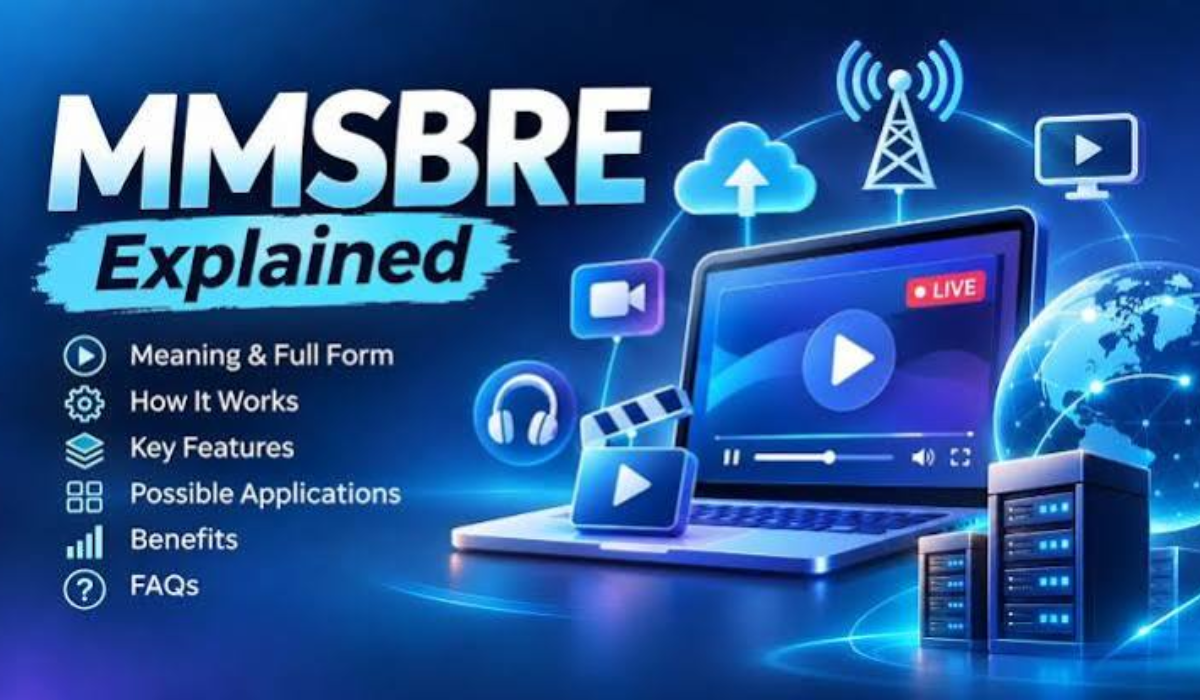
The internet introduces unfamiliar terms and digital concepts every day, leaving readers curious about their meanings, purposes, and practical applications. MMSBRE guide is one such search topic that has attracted attention because different websites associate it with multimedia streaming, broadcasting, digital communication, business efficiency, and modern technology. However, understanding the term requires looking beyond simple definitions. There is no universally recognized official meaning of MMSBRE, and different online sources offer different interpretations. This comprehensive article explores its reported meanings, possible applications, related technologies, advantages, limitations, and important considerations to help readers understand the subject more clearly.
| Quick Bio | Information |
|---|---|
| Keyword | MMSBRE |
| Topic | Digital technology and multimedia |
| Commonly reported full form | Multi-Media Streaming and Broadcast Relay Environment |
| Official definition | Not independently verified |
| Main association | Multimedia streaming and broadcasting |
| Related technologies | Cloud computing, video encoding, CDNs |
| Other reported applications | Business management and digital workflows |
| Industry recognition | No confirmed standard |
| Original developer | Unknown |
| Main purpose of this guide | Explain meanings and related concepts |
1. What Is MMSBRE?
MMSBRE is an uncommon digital term that appears in online articles MMSBRE Guide and technology discussions. Different websites explain it through different concepts, making it difficult to identify one universally accepted definition. Its most frequently reported interpretation connects it with multimedia streaming and broadcast relay environments.
In simple language, this interpretation describes a connected system that receives digital media, processes information, distributes content, and helps audiences access audio or video through different devices.
2. Understanding the Meaning of MMSBRE
One commonly reported expansion is Multi-Media Streaming and Broadcast Relay Environment. This phrase describes a possible arrangement of technologies responsible for managing multimedia distribution.
The words suggest a system involving multiple media formats, continuous Guide content delivery, broadcasting, and communication between different platforms. However, readers should understand that this expansion has not been confirmed by an established standards organization.
3. Why Is MMSBRE Becoming a Search Topic?
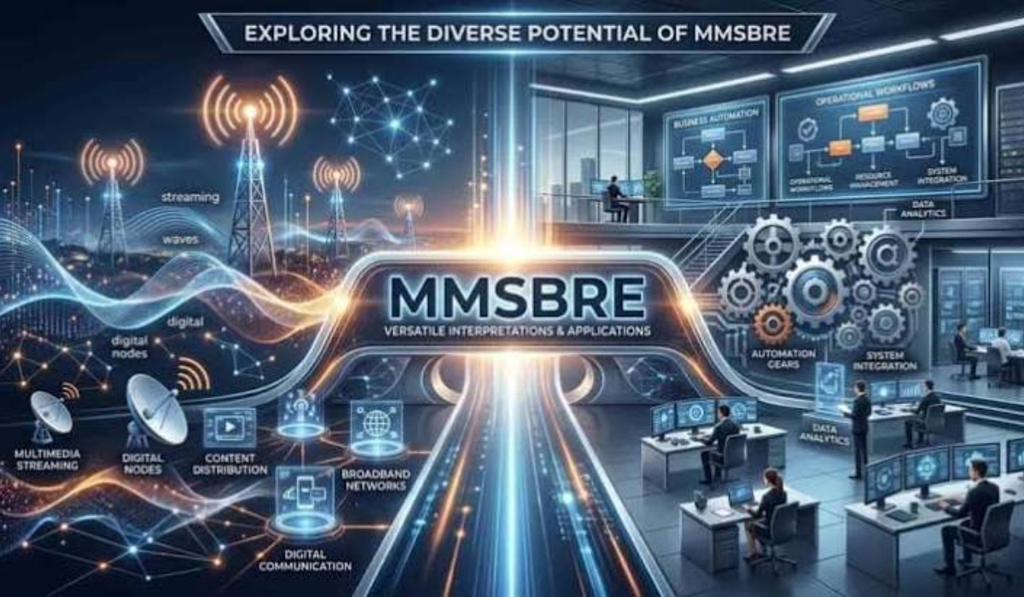
Unusual keywords often attract attention because people encounter them unexpectedly through search engines, blogs, social media, and online discussions. Curiosity encourages users to investigate unfamiliar terminology.
The growing number of explanatory articles can also increase visibility. When several websites discuss an uncommon phrase, readers may search for additional information to understand whether it represents a real product, technology, or business concept.
4. Different Interpretations of the Term
One major reason for confusion is that online publishers do not always describe Guide the term consistently. Some connect it with multimedia broadcasting, while others associate it with business operations and digital management.
These interpretations represent different subjects rather than confirmed components of one established system. Therefore, identifying the original context is essential before accepting a particular explanation.
5. MMSBRE and Multimedia Streaming
Multimedia streaming involves delivering audio and video content through internet Guide connections. Users can watch videos or listen to audio without downloading an entire file before playback begins.
This technology supports entertainment platforms, educational websites, online meetings, and live broadcasting. The streaming interpretation associated with the keyword draws attention to these familiar digital processes.
6. How Multimedia Streaming Systems Work
A typical streaming system begins when a camera, microphone, or existing media file provides the original content. Specialized software then processes the information into formats suitable for internet delivery.
The processed content travels through servers and networks before reaching viewers. A media player on a computer, smartphone, or television displays the information for the audience.
7. The Importance of Broadcast Relay Systems
Broadcast relay systems help distribute media from one source to multiple destinations. They are useful when organizations want to share the same live event with audiences using different platforms.
For example, an educational institution might broadcast a seminar through its website and mobile application. A properly configured relay system can help manage these distribution requirements.
8. Role of Video Encoding
Video encoding converts raw video information MMSBRE into compressed formats that are Guide easier to store and transmit. Without effective encoding, high-quality video files could consume considerable storage and network bandwidth.
Modern encoding technologies help balance video quality, file size, and playback performance. They also make it possible to prepare content for different internet speeds and devices.
9. Understanding Content Delivery Networks
Content Delivery Networks, commonly called CDNs, distribute copies of digital content across geographically separated servers. This arrangement helps users receive information from servers located closer to them.
CDNs are widely used for video streaming, websites, software downloads, and other online services. They can reduce network delays and improve content delivery during periods of heavy traffic.
10. How Cloud Computing Supports Streaming
Cloud computing provides internet-based computing resources, including storage, Guide processing power, and server infrastructure. Streaming providers can use cloud services to manage changing audience demand.
Instead of depending entirely on physical equipment, organizations can access additional computing resources when necessary. This flexibility can help businesses manage large events and growing digital audiences.
11. Possible Applications in Education
Educational institutions increasingly use digital platforms to distribute lessons, presentations, Guide lectures, and recorded training sessions. Streaming technology makes educational information accessible beyond traditional classrooms.
Teachers can share demonstrations, conduct online classes, and communicate with students in different locations. These applications demonstrate how multimedia infrastructure can support modern learning environments.
12. Applications in Business Communication
Businesses frequently use video conferencing, online presentations, employee training, and live announcements to communicate with their teams. Reliable multimedia systems can make these activities more convenient.
Companies operating across multiple locations can distribute information without requiring employees to attend the same physical meeting. This approach may also reduce travel expenses and improve communication efficiency.
13. Digital Entertainment and Media Distribution
Entertainment platforms depend on technologies that deliver movies, music, documentaries, live performances, and other digital content. Streaming services must manage content quality while supporting large numbers of viewers.
Modern distribution systems use encoding, storage, network infrastructure, and media players to provide smooth playback. These technologies are closely related to the broadcasting interpretation of the term.
14. Reported Business Management Interpretation
Some online explanations associate the term with business efficiency, Guide resource management, planning, and workflow improvement. These descriptions focus less on multimedia and more on organizational performance.
Although these practices are valuable, there is no confirmed evidence that they belong to an officially established MMSBRE business framework. They should be evaluated as ordinary management principles rather than verified features of a named system.
15. Importance of Effective Resource Management
Resource management involves using available time, money, employees, equipment, and information effectively. Organizations that understand their resources can make more informed operational decisions.
Clear responsibilities, realistic schedules, and regular performance reviews help businesses avoid unnecessary delays. These practices are useful independently of any unfamiliar digital terminology.
16. Automation and Modern Workflows
Automation allows software to complete repetitive activities with limited manual involvement. Common examples include automatic notifications, scheduled reports, document processing, and data organization.
Businesses can use automation to save time and reduce routine administrative work. However, successful implementation requires suitable software, accurate information, and regular supervision.
17. Potential Benefits of Multimedia Infrastructure
A properly designed streaming environment can provide several practical Guide advantages. These include wider audience access, flexible content distribution, centralized management, and improved communication.
Organizations may also benefit from reusable recordings, remote participation, and better access to educational materials. Actual results depend on the quality of the underlying technology and its implementation.
18. Improved Accessibility for Different Audiences
Digital media can reach people who cannot attend physical events because of distance, scheduling difficulties, or transportation limitations. Online distribution provides another way to access information.
Captions, transcripts, adjustable playback speeds, and mobile-friendly interfaces can make digital content more accessible. These features are important considerations when designing modern media services.
19. Security and Privacy Considerations
Digital broadcasting systems can involve personal information, organizational Guide documents, recorded meetings, and private communications. Protecting this information should be a priority for every organization.
Strong passwords, encrypted connections, controlled access, and regular software updates can reduce common security risks. Organizations should also establish clear rules about recording, sharing, and storing media.
20. Common Technical Challenges
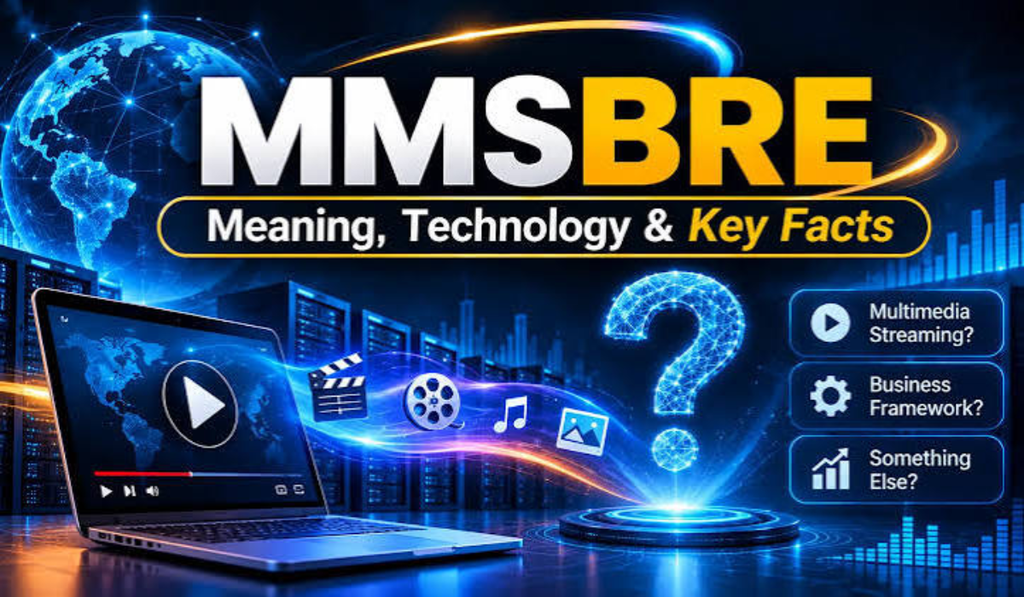
Streaming systems can experience buffering, connection interruptions, poor video quality, and unexpected server problems. These issues may affect the viewing experience, particularly during large live events.
Network capacity, equipment performance, software configuration, and server availability all influence reliability. Testing the complete system before an important broadcast can help identify potential problems.
21. Compatibility Across Different Devices
Audiences access online media through smartphones, laptops, desktop computers, tablets, and smart televisions. A reliable streaming service should consider the technical differences between these devices.
Responsive website designs, suitable media formats, and compatible playback software can improve accessibility. Organizations should test their services on commonly used devices before launching them publicly.
22. The Importance of Internet Connectivity
Internet connectivity plays an important role in digital communication and multimedia distribution. Slow connections may cause buffering, delayed playback, or interruptions during live broadcasts.
Adaptive bitrate streaming helps address changing network conditions by adjusting video quality according to available bandwidth. This technology can provide a more consistent viewing experience for users with different connection speeds.
23. Artificial Intelligence and Digital Media
Artificial intelligence is increasingly used in digital content production, recommendation systems, automatic subtitles, and media analysis. These capabilities can make multimedia services more efficient.
AI-powered tools can also help identify content patterns and automate selected administrative tasks. However, there is no verified evidence establishing artificial intelligence as an official component of MMSBRE.
24. How to Evaluate Online Information
When researching unfamiliar technology terms, readers should check the credibility of the website, author, and supporting references. Reliable technical explanations generally identify specific technologies and provide evidence.
Look for official documentation, recognized industry publications, research papers, and company information. Avoid accepting impressive-sounding technical descriptions without checking whether their claims can be independently verified.
25. Is MMSBRE an Official Technology Standard?
There is currently no independently established evidence that MMSBRE represents a recognized international technology standard. No universally accepted specification or official governing organization has been identified.
This distinction is important because a descriptive phrase is not automatically a formal technology. Readers should distinguish between online interpretations and documented technical standards.
26. Is It a Software Product or Online Platform?
Some unfamiliar terms are mistakenly presented as software products or online services. However, finding an explanatory article does not establish that a downloadable application or commercial platform exists.
Before using a service carrying an unfamiliar name, investigate its developer, official website, documentation, privacy policy, and customer support. Never provide payment information or account credentials without verifying the service.
27. Difference Between MMSBRE and Traditional Broadcasting
Traditional broadcasting generally distributes audio or video through established transmission infrastructure, including television and radio networks. Modern internet streaming uses digital networks to deliver content to connected devices.
Both approaches can reach large audiences, but their delivery methods and technical requirements differ. Internet-based systems may provide interactive features, on-demand playback, and flexible access.
28. How Small Businesses Can Use Streaming Technology
Small businesses can use affordable streaming tools to demonstrate products, conduct training sessions, organize virtual events, and communicate with customers. These applications do not require adopting an unfamiliar technical framework.
Starting with a reliable internet connection, suitable recording equipment, and a trusted streaming platform is often sufficient. Businesses can expand their infrastructure as audience requirements increase.
29. Choosing the Right Streaming Tools
Selecting appropriate streaming software requires understanding the intended audience, content type, budget, and technical requirements. A small educational presentation may need fewer resources than a large public broadcast.
Compare available features, supported devices, security settings, pricing, and customer support. Testing different solutions before making a long-term commitment can help prevent unnecessary expenses.
30. Future Possibilities for Digital Broadcasting
Digital broadcasting continues to develop through improvements in network infrastructure, cloud computing, video compression, and artificial intelligence. These technologies are helping organizations distribute content more efficiently.
Future services may offer improved interactivity, higher video quality, and more personalized viewing experiences. However, predictions about a specific MMSBRE platform or official framework would be premature without reliable supporting evidence.
31. Common Misunderstandings About MMSBRE
A common misunderstanding is assuming that every website describing an unfamiliar acronym provides an official definition. Online publishing does not automatically establish technical authority.
Another mistake is treating different interpretations as interchangeable. Streaming infrastructure, business management, and artificial intelligence are separate subjects. Understanding these differences makes research more accurate.
32. Practical Tips for Beginners
Beginners should start by identifying where they encountered the term and what subject the original source discusses. This simple step can prevent confusion between unrelated meanings.
Next, investigate the technologies or business practices mentioned in that source. Focus on established concepts, verify important claims, and avoid downloading unknown applications or sharing confidential information.
33. Why Context Matters When Researching Technology
Technical terminology often changes according to industry, organization, and application. The same abbreviation may have different meanings in unrelated professional environments.
Context provides clues about the intended meaning. An article discussing video delivery should be evaluated differently from a business report discussing employee productivity or resource planning.
34. Is MMSBRE Worth Learning About?
Researching unfamiliar terminology can improve digital awareness and help readers understand new online discussions. Even when a keyword lacks an official definition, its associated subjects may introduce useful technical knowledge.
The important point is to concentrate on verifiable information. Learning about streaming architecture, content delivery, cloud computing, and digital security offers practical value beyond memorizing an unverified acronym.
35. Final Thoughts on MMSBRE
Understanding MMSBRE guide requires separating reported interpretations from established facts. The term is commonly associated online with multimedia streaming and broadcast relay environments, while other websites connect it with business efficiency and digital management. However, none of these interpretations should be presented as an officially confirmed universal definition.
The technologies discussed throughout this article are real and widely used in modern digital environments. Streaming, video encoding, cloud infrastructure, content delivery networks, and cybersecurity all contribute to reliable digital communication. Readers should investigate the original context, consult trustworthy documentation, and evaluate unfamiliar claims carefully. For additional background, explore Wikipedia’s related article on Streaming media, which explains the established technology behind online audio and video delivery.
Frequently Asked Questions (FAQs)
1. What does MMSBRE mean?
- It is an uncommon online term with several reported interpretations, but no universally verified definition.
2. What is the full form of MMSBRE? - One commonly reported expansion is Multi-Media Streaming and Broadcast Relay Environment, although it is not officially confirmed.
3. Is MMSBRE a real technology? - Its associated streaming technologies are real, but MMSBRE itself is not established as a recognized technical standard.
4. What are the possible uses of MMSBRE? - Online explanations associate it with multimedia distribution, broadcasting, digital workflows, and business management.
5. Is MMSBRE safe to download? - No verified download or official software platform has been established, so avoid unknown downloads and unverified websites.